Natural movement
Why barefoot shoes?
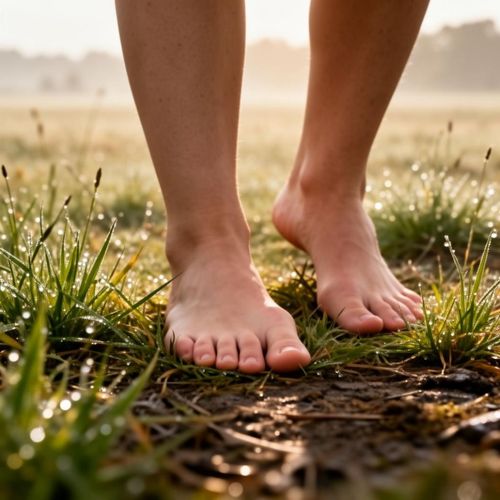
Your feet knew this before your shoes did. Barefoot shoes give the foot the space and movement it is built for — not a trend, the way a foot actually works.
Heel to toe
Zero drop
No raised heel changing your posture
The toes
Room to spread
Balance starts in the toe box
The sole
Thin and flexible
You feel the ground — and stay protected
What is it?
A shoe that looks like a foot — not a mould
An ordinary shoe pinches the toes, lifts the heel and stiffens the foot. Barefoot shoes do the opposite: a wide toe box, a flat sole and enough flex for muscles, tendons and toes to work as they were made to.
The three things that make a shoe barefoot
Zero drop
Heel and forefoot sit at the same height. That lets the body stack itself and takes unnecessary load off knees, hips and lower back.
Wide toe box
Toes get to spread. That means balance, a stronger push-off — and space so they are not crushed into each other.
Thin, flexible sole
You feel the ground without walking on it. That feedback trains balance and foot strength, while the sole still protects.
What it does for the body
It is not magic. It is muscles being allowed to work again — and posture that is not fighting a heel.
Stronger feet and ankles
When the sole stops doing the work for you, the small muscles in the foot wake up. Over time the foot becomes more stable — and less dependent on a stiff shoe.
Better posture
A flat sole lets the hips and back sit where they want. Many people feel it in the lower back and knees once the heel is no longer tipping the body forward.
Balance and ground feel
Thin soles send the brain more signals from the ground. That is proprioception — and it is why barefoot shoes can feel more awake to walk in.
Toes that get to be toes
Narrow shoes shape the foot. A wide toe box gives them room to spread — which can make everyday life easier for feet that have been squeezed for years.
It is a transition — not a leap
Feet that have lived in stiff shoes need time. Start quietly, listen, and do not rush. Read the guide if you are new to barefoot shoes.
- 1
Start with short walks. Add time when the feet have settled.
- 2
Muscle ache is normal. Sharp pain is a sign to turn the volume down.
- 3
Go barefoot at home when you can. It is the cheapest strength work your feet will get.
- 4
Give it weeks and months — not days. Every foot has its own pace.
Ready to feel the difference?
Browse the range, or start with a quiet transition if this is your first pair.